How Holter ECG at Home Can Revolutionize Your Heart Treatment Experience
Holter ECG monitoring has traditionally required clients to see medical facilities for analyses of their heart health. However, improvements in technology currently permit this keeping track of to occur in the convenience of one's home. This shift can significantly modify the landscape of cardiac treatment. By making it possible for continual monitoring of heart task in a familiar setting, patients might experience better outcomes. The ramifications of this change warrant better exploration.
Understanding Holter ECG Surveillance
Holter ECG monitoring is an important diagnostic tool made use of to continually examine a person's heart task over an extensive period, typically 24 to 48 hours. This portable device documents the heart's electric activity, capturing arrhythmias, palpitations, and other abnormalities that may not appear throughout a standard electrocardiogram. Individuals put on the Holter monitor affixed to electrodes positioned on their breast, enabling for real-time information collection while they tackle their day-to-day routines. The tape-recorded information is later on analyzed by a healthcare specialist, who takes a look at the heart's rhythm and identifies any abnormalities. Holter tracking acts as a necessary resource for diagnosing conditions such as atrial fibrillation, ischemia, or other cardiac problems. On top of that, it aids in reviewing the performance of recurring treatments or medicines. On The Whole, Holter ECG surveillance is instrumental in offering thorough understandings right into a person's cardiac health over an extensive timeframe.
The Advantages of Home-Based Holter ECGs
Home-based Holter ECG tracking supplies many advantages that enhance client convenience and ease of access. By enabling patients to undertake monitoring in their very own environment, it lowers the stress and anxiety and anxiety usually connected with medical settings. This ease promotes adherence to the surveillance procedure, as individuals can keep their daily regimens without disruption.Moreover, home-based monitoring removes the need for regular sees to medical care facilities, conserving time and minimizing linked traveling prices. It likewise ensures better versatility in scheduling, as people can choose the most appropriate times for monitoring.Additionally, these devices supply continual information collection over expanded periods, allowing more precise analyses of heart wellness. This extensive data can promote timely treatments and tailored treatment plans. In general, home-based Holter ECGs equip patients by providing an extra comfortable, convenient, and reliable methods of checking their heart health and wellness.
How Holter ECGs Work
Holter ECGs run with a mobile tool that constantly monitors the heart's electric task over a prolonged period. The data collection process entails connecting electrodes to the client's skin, which transfer real-time info to the gadget. This capability enables for comprehensive evaluation of heart rhythms, assisting in the medical diagnosis of various cardiac conditions.
Gadget Functionality Described
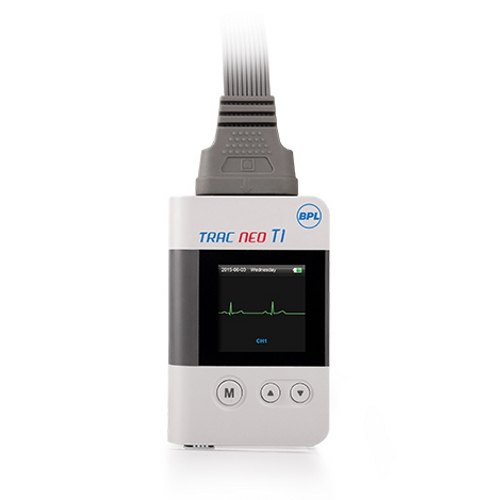
Capturing the heart's electrical activity over a prolonged period, a portable ECG device offers important insights into cardiac function. This gadget commonly includes electrodes that connect to the skin, recording electrical signals as the heart beats. The Holter screen constantly tracks these signals, permitting for the discovery of arrhythmias and various other heart irregularities that may not be evident throughout a standard ECG. It is lightweight and created for day-to-day wear, enabling patients to involve in regular activities while the gadget collects information. The recorded information is after that stored for later evaluation by healthcare professionals, facilitating an extensive understanding of the client's heart health over time. This functionality emphasizes the relevance of Holter ECGs in proactive cardiac care.
Data Collection Refine
During the data collection procedure, a Holter ECG checks the heart's electric activity through a series of electrodes positioned on the patient's chest. These electrodes catch continual electrocardiogram (ECG) analyses over a defined period, generally 24 to 48 hours. The gadget documents the heart's rhythm, discovering irregularities such as arrhythmias, palpitations, or ischemic adjustments (Holter ECG at Home in Bangalore). Data is saved within the portable recorder, which the individual lugs throughout day-to-day tasks, permitting real-world tracking. After the recording period, the tool is returned to the healthcare copyright, where the gathered information is analyzed. This complete evaluation aids in the medical diagnosis and monitoring of different cardiac problems, improving the overall patient experience and notifying therapy choices
Comparing Standard Monitoring to Home Surveillance
When comparing typical tracking approaches to home monitoring, flexibility and ease become significant advantages of the last. People take advantage of the capability to perform examinations in their very own settings, which can lower stress and enhance compliance. However, it is important to evaluate whether this enhanced convenience compromises the precision and dependability of the data collected.
Convenience and Versatility
Although standard ECG monitoring usually requires patients to go to clinical facilities, home-based Holter ECG tracking offers a level of ease and adaptability that is progressively enticing. People can undertake tracking in the comfort of their own homes, removing the need for traveling and lowering time spent away from day-to-day activities. This home-based technique allows individuals to keep their routines, whether at the office or taking part in recreation, while still receiving required cardiac assessments. Furthermore, clients can put on the tool for extended periods, recording data during regular activities and sleep patterns. This flexibility not just enhances person convenience yet likewise encourages adherence to checking methods, inevitably resulting in an extra patient-centric method in heart care.
Accuracy and Integrity
Real-Time Information and Its Significance
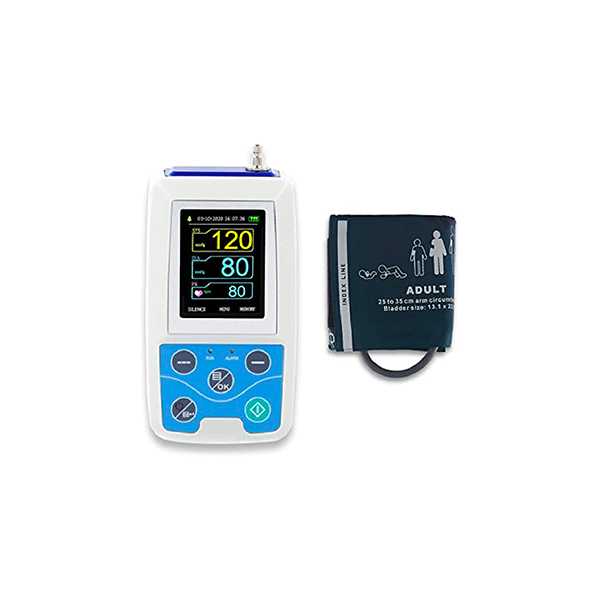
How critical is real-time information in the context of Holter ECG monitoring? Real-time information plays a critical function in improving cardiac care by giving prompt understandings right into a person's heart activity. This immediate details enables doctor to identify abnormalities and potential issues without delay. By continuously videotaping heart rhythms over a prolonged period, Holter ECG devices record essential events that may be missed during conventional examinations. Access to real-time information encourages medical professionals to make educated official site choices quickly, potentially bring about prompt interventions. This can be specifically important for individuals with a history of arrhythmias or various other heart conditions, as early discovery can greatly enhance end results. Additionally, real-time surveillance promotes recurring person assessment, decreasing the requirement for constant in-office check outs. Eventually, the combination of real-time data into Holter ECG surveillance transforms conventional cardiac treatment into an extra aggressive and receptive method, focusing on person wellness.
Empowering Individuals With Wellness Insights
The combination of real-time data in Holter ECG monitoring not just enhances clinical decision-making but likewise plays a substantial role in empowering individuals with useful health and wellness insights - Holter ECG at Home in Bangalore. By offering instant access to their cardiac data, individuals can much better understand their heart health and wellness, resulting in boosted involvement in their care. This heightened awareness enables them to identify patterns and activates pertaining to their symptoms, fostering positive monitoring of their conditions.Moreover, the capability to check their heart price and rhythm from home grows a feeling of control and peace of mind. People can share this data with medical care service providers, facilitating even more educated discussions throughout assessments. This joint technique motivates and enhances the restorative relationship adherence to therapy strategies. Eventually, the availability of real-time health and wellness understandings changes clients from passive receivers of treatment right into energetic participants, promoting a much more effective and individualized technique to cardiac health and wellness monitoring
The Future of Heart Treatment With Home Monitoring
As modern technology remains to advancement, the future of cardiac care is increasingly leaning in the direction of home surveillance solutions that focus on person ease and continuous information collection. Home surveillance systems, specifically Holter ECG devices, enable real-time tracking of cardiovascular health, making it possible for doctor to receive prompt information and make educated decisions. This shift not just reduces the need for frequent health center visits yet likewise enhances patient interaction and adherence go to my blog to treatment plans.Moreover, integrating fabricated intelligence with home tracking can help with anticipating analytics, allowing early detection of potential heart events. Such developments guarantee to personalize treatment, ensuring that treatments are tailored to individual needs. As data privacy and protection measures evolve, people can feel extra certain in sharing their health and wellness info. Inevitably, the fostering of home tracking in cardiac care indicates a transformative strategy, fostering a proactive as opposed to responsive healthcare version that profits patients and suppliers alike.
Frequently Asked Questions

How much time Does a Holter ECG Tracking Session Usually Last?
A Holter ECG tracking session usually lasts 24 to two days. During this period, people put on a portable tool that continually records heart task, enabling for extensive analysis of cardiac rhythms over time.
Is a Prescription Needed for a Home Holter ECG Tool?
A prescription is generally needed for a home Holter ECG device. This assures that the surveillance is clinically warranted and tailored to the patient's particular wellness needs, facilitating suitable heart treatment and follow-up.
Can I Execute Daily Activities While Wearing the Holter ECG?
People can commonly execute day-to-day tasks while using a Holter ECG monitor. The tool is created for continuous surveillance, permitting users to take part in regular regimens without considerable constraints, making sure precise data collection throughout routine tasks.
What Should I Do if the Tool Malfunctions?
The user needs to initially speak with the individual guidebook for troubleshooting steps if the device malfunctions. If problems persist, calling the doctor for support or substitute options is recommended to guarantee exact surveillance proceeds.
Exactly how Is the Data Evaluated After the Surveillance Duration Ends?
After the surveillance period wraps up, medical care specialists analyze the gathered data, assessing heart rhythms and identifying abnormalities. This analysis aids in tailoring and detecting conditions treatment strategies based on the person's specific heart wellness requirements. Holter ECG monitoring has commonly called for individuals to visit clinical centers for analyses of their heart wellness. Holter ECG monitoring is a useful diagnostic device used to continuously evaluate a patient's heart activity over a prolonged duration, generally 24 to 48 hours. Home-based Holter ECG tracking uses various benefits that improve patient comfort and availability. Conventional ECG surveillance typically needs patients to see clinical centers, home-based Holter ECG surveillance more helpful hints uses a level of benefit and flexibility that is increasingly attractive. The combination of real-time information in Holter ECG surveillance not only enhances clinical decision-making however additionally plays a significant duty in equipping people with beneficial health insights.